Smaller projects
Smaller projects: The small change you notice every day.
Discuss your projectSome of the most satisfying changes are contained: an entry that finally holds the family's things, a room with better storage, or a finish that has reached the end of its useful life. You do not need to arrive with a whole-house renovation to speak with us.
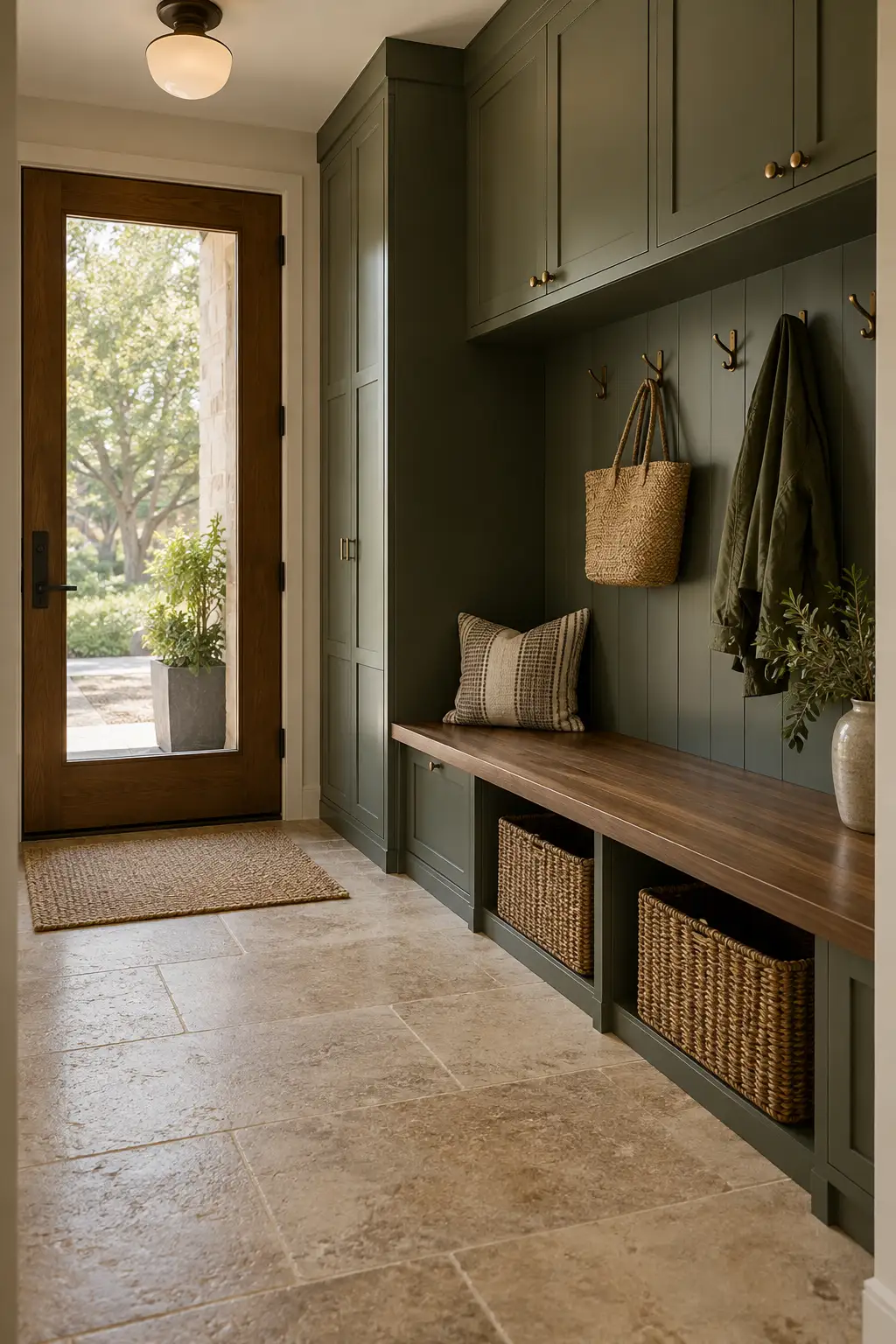
Austin Home Remodelers welcomes smaller projects. “Small” describes the footprint or focus, not the attention the work deserves. Tell us exactly what is frustrating you; a good solution may be simpler than the one you first imagined.
Explore what to considerSmaller projects
Name the daily problem
The useful decisions begin with the way the space is used.
Start with the moment the space fails. Does the entry collect shoes because there is nowhere to put them? Does a utility area need a better work surface? Does a bathroom have enough square footage but no useful storage? Specific routines make a focused scope possible.
Photograph the space as it is normally used, not after everything has been cleared away. The objects that crowd a counter or floor tell us what the design needs to hold. Measure roughly and note any feature you want to keep.
- What happens in the space now
- What needs a proper place
- What should stay exactly as it is
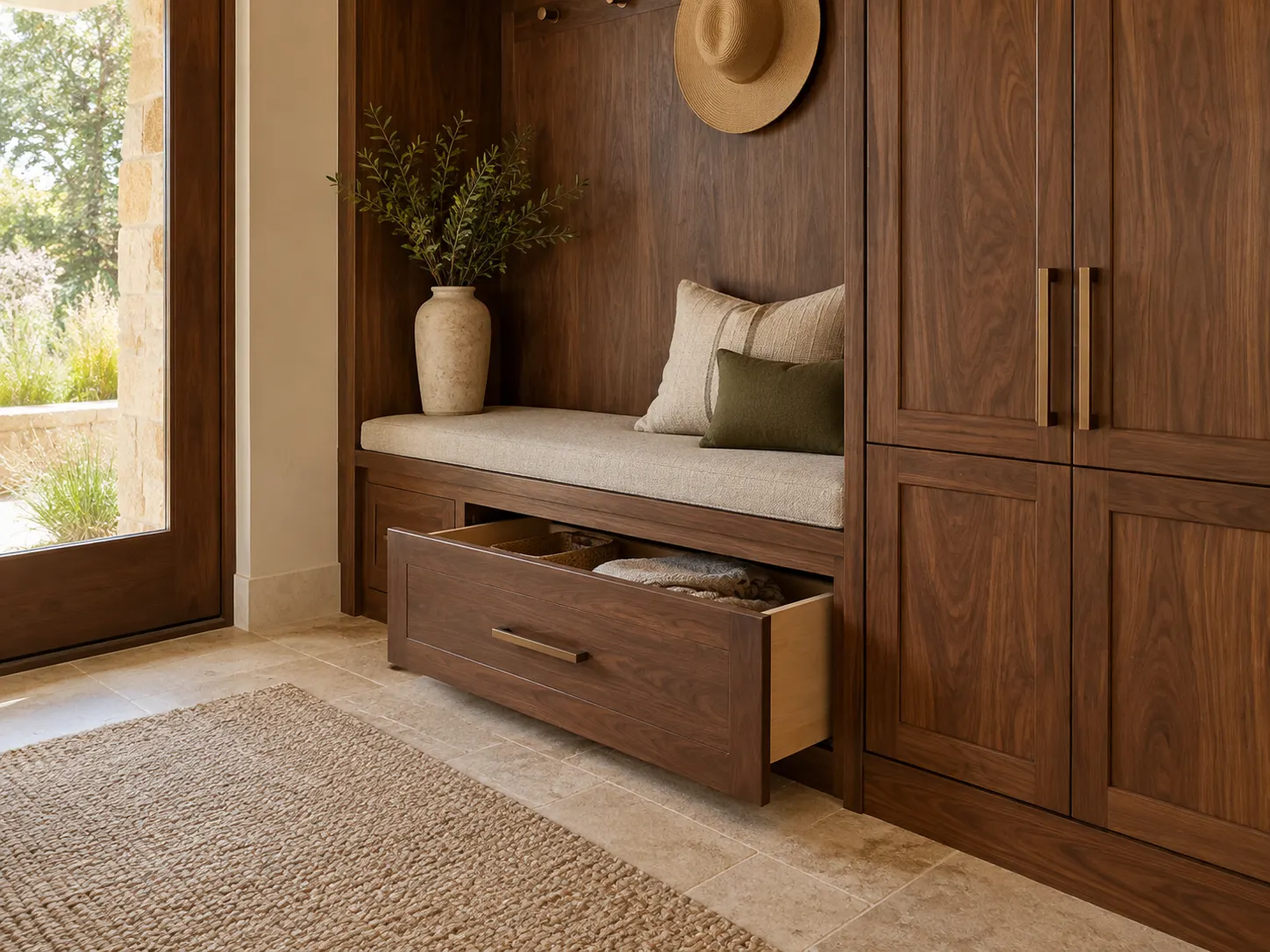
Smaller projects
Keep the boundaries clear
A small project often touches adjacent finishes. New cabinetry may meet old flooring or trim; a changed opening may affect the next room. Decide whether the goal is a discreet improvement or a wider visual refresh. Neither choice is automatically better, but the boundary should be explicit.
Some focused work can also uncover conditions that need attention. Ask what has been inspected and what could change once existing material is opened. That conversation helps avoid mistaking a compact footprint for complete certainty.
Smaller projects
Spend attention where it is felt
Hardware, drawer depth, a comfortable bench height, lighting at a task, and a durable surface can matter more than adding decorative layers. Try to solve the reach and movement first. Then choose materials that feel right beside the rest of the home.
A small area gives details nowhere to hide. A cabinet door that strikes a wall or a shelf too high for daily use will be noticed every day. Mocking up dimensions with tape or existing objects can help test a choice before it becomes permanent. Open the nearby doors and stand where you would actually work. The room may show you that the best detail is a little narrower or lower than the drawing suggested.
Smaller projects
Understand the cost of a compact scope
Project size alone does not explain cost. Custom pieces, electrical or plumbing changes, matching existing finishes, access, and repairs can all influence a focused job. A proposal should state what is included at the edges of the work, not only the new feature in the center.
If you have several small improvements in mind, list them together and rank them. Some may be efficient to consider as one scope because they share access or materials; others may be independent. If one item is urgent and the others can wait, say so. That can keep the immediate scope focused.
Smaller projects
Start with one clear request
Send photos, approximate dimensions, and a sentence about what should be different when the work is finished. If you have an inspiration image, explain what you like about it: the storage idea, the material, or the way it fits a tight room.
All project sizes are welcome. Tell us what you want changed and what should stay; that is enough to begin a useful conversation.
Your questions
Before the first conversation.
Every home asks for its own answer. These are useful places to start.
Can several small jobs be discussed together?
Yes. List them and rank their importance. The team can discuss whether they belong in one scope or make more sense separately.
What information helps with a small-project inquiry?
Photos of the space in normal use, rough dimensions, what you want to keep, and a clear description of what is not working.
Could a small job require more work than expected?
It can. Existing conditions, connections to adjacent finishes, and needed system changes may affect the scope. Ask which assumptions are confirmed and which need investigation.
Should we choose materials before we speak?
You can bring examples, but first define the use and dimensions. A finish choice is more useful once the detail and maintenance needs are understood.